
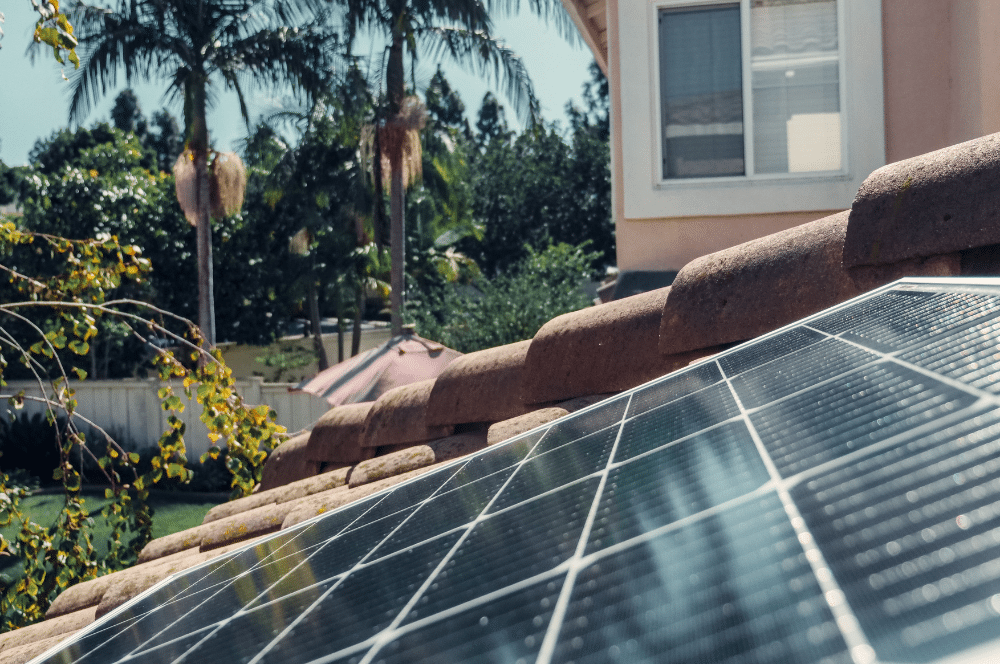
An EV can make a noticeable difference to the amount of emissions a household produces in Melbourne. However, one fact many overlook. Your electric vehicle requires electricity to power it, and where that electricity comes from will impact on the carbon footprint.
Already many owners of an EV are consuming less CO2 than a house with a petrol powered vehicle. If the household also has a PV system and energy storage system, the CO2 reduction will be even higher than using the energy from the grid and can generate energy from own roof top. This gives households another way to cut emissions and rely less on the grid.
For many households in Melbourne, Victoria, solar battery rebate and power systems are the upgrades that follow.
Your EV Is Only Part of the Carbon Reduction Story
An electric vehicle produces no direct tailpipe emissions. That already gives it an advantage over a conventional petrol vehicle.
The bigger question is what happens when the vehicle is plugged in at home. Victoria’s electricity grid draws power from a mix of energy sources. Some of those sources are renewable, while others still produce emissions. As a result, the environmental benefit of home charging depends partly on where that electricity originates.
Many households in Melbourne are now viewing EVs, solar power systems residents install, and battery storage as key components of a single energy strategy.
Grid Charging vs Solar Charging
At first glance, the difference may not seem significant. In reality, the source of electricity can change a household’s emissions over time.
Charging Method | Energy Source | Carbon Impact |
Grid Charging | Victorian electricity grid | Lower than petrol vehicles |
Solar Charging | Rooftop solar generation | Further reduction in emissions |
Solar + Battery Charging | Stored solar energy | Maximises renewable energy use |
One thing stands out from the comparison. Solar generation can help reduce reliance on the grid, while battery storage allows households to continue using solar energy even after the sun goes down.
Why Solar Batteries Matter for EV Owners
Most households charge their EVs during the evening. Unfortunately, that is also the time when rooftop solar systems stop generating electricity.
Without battery storage, excess solar energy produced during the day is often exported back to the grid. A battery changes that equation by storing unused solar energy for later use.
To EV owners there is a definite gain. Energy from the sun stored at night can supplement charging the car, as well as domestic consumption, removing the load from the electricity grid during night-time peak demand and maximising the usage of home generated solar power.
Household consumption may also be smoothed using stored battery energy during peak periods.
Is Your Current Solar System Large Enough for an EV?
Many Melbourne households installed solar systems before purchasing an electric vehicle. Those systems may have been designed around previous household energy requirements.
Once an EV enters the picture, electricity consumption often changes significantly. Charging requirements add another layer of demand that the original solar system may not have been designed to support.
A few questions are worth asking:
- Does the current solar system generate enough energy for both household use and EV charging?
- Is battery storage required to maximise solar usage?
- Are charging habits aligned with solar production hours?
- Could a system upgrade improve energy efficiency?
The answers can sometimes uncover gaps that would otherwise go unnoticed.
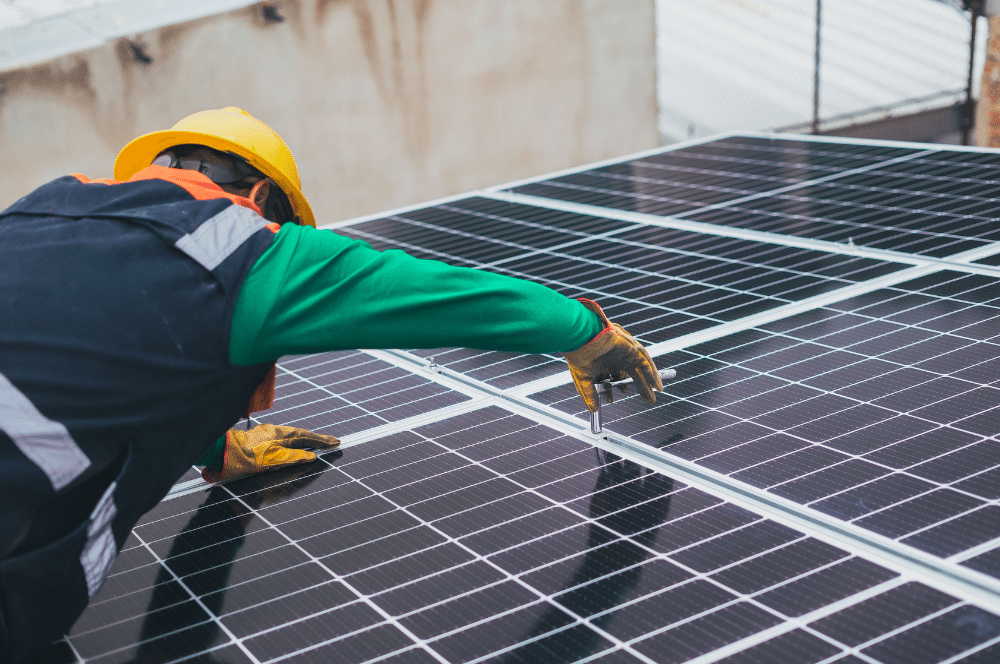
How a Smart Energy Upgrade Assessment Can Help
A Smart Energy Upgrade Assessment looks at how energy is being used across the home and where changes may help.
It looks beyond a single product and reviews the household’s broader energy use. This can include household electricity consumption, solar generation performance, EV charging patterns, battery suitability, and available government incentives.
The idea is straightforward. Every recommendation should align with the property’s actual energy needs rather than relying on assumptions.
For many EV owners, the assessment helps identify which upgrades make the most sense for their home.
Government Incentives Available to Eligible Victorian Households
A number of programs currently help eligible Victorian households upgrade their energy systems, including state-based incentives and the federal solar power rebate available through the Australian Government’s battery support initiative.
- Solar Victoria Solar Panel Rebate: Eligible owner-occupiers may access a rebate of up to $1,400 towards the installation of a solar panel system. An interest-free loan of up to the same amount may also be available, subject to eligibility requirements.
- Australian Government Cheaper Home Batteries Program:
Many homeowners researching a solar battery rebate option in Victoria are now exploring this program as part of a broader home energy upgrade.
The Cheaper Home Batteries Program provides eligible households and small businesses with an estimated discount of around 30% on the upfront cost of approved battery systems connected to rooftop solar. For many households’ researching solar battery rebate incentives in Victoria, this program has become an important part of the decision-making process.
- Victorian Energy Upgrades Program: The Victorian Energy Upgrades program is applicable for a range of energy efficient home upgrades such as certain types of heating and cooling or hot water system upgrades, via certified suppliers.
Each program varies so it’s important to check your eligibility requirements to prevent wastage of time.
A Typical Energy Upgrade Journey for EV Owners in Melbourne
A lot of households tend to follow a similar path when trying to lower emissions.
- Purchase an electric vehicle.
- Review household electricity usage.
- Assess existing solar system performance.
- Consider battery storage options.
- Explore available rebates and incentives.
- Charge the EV using a greater proportion of self-generated solar energy.
This approach helps different upgrades work together instead of operating as separate projects.
Discover How Much More Carbon Your Home Could Save
Driving an electric vehicle is already a move in the right direction. Adding solar battery rebate and power systems across Melbourne, Victoria can reduce reliance on grid electricity even more.
Auspro Group is accredited provider, certified under the Victorian Energy Upgrades (VEU) Program, the Solar Victoria Solar Homes Program, and the Australian Government’s Cheaper Home Batteries Program. With Smart Energy Upgrade Assessments, installation of solar power and batteries or an energy efficient upgrade it helps homeowners be able to find and utilise practical options to consume their own electricity.
The eligibility requirements of each scheme, the rebate amounts and government rebates can and will change, it’s advisable to check the current criteria for your home before you have an installation or upgrade undertaken.