
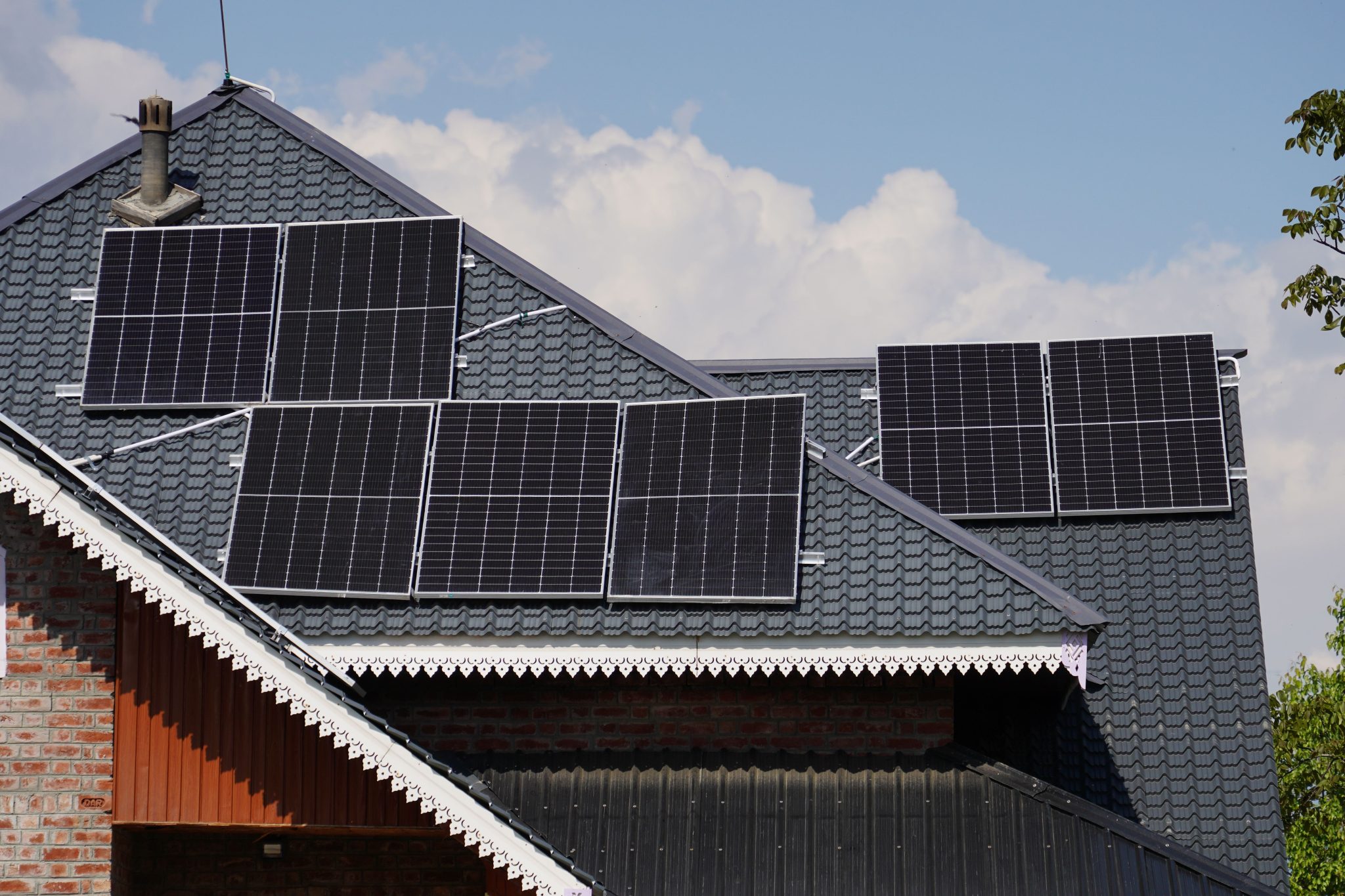
The Car Is Electric. The Electricity Might Not Be.
People often assume the environmental job is done once an electric vehicle replaces a petrol car. Feels like the hard part is done. The fuel station visits become less frequent, the drive becomes quieter and the tailpipe emissions disappear completely. Sounds like the end of the story, but really it’s just the start. Every electric vehicle still depends on electricity. That electricity has to come from somewhere. If it is supplied entirely through the grid, the vehicle still carries indirect emissions linked to electricity generation. The cleaner the power source, the cleaner every kilometre driven. That’s why more Melbourne households are looking past the car itself and paying more attention to how it gets charged. It’s less about driving electric now, more about powering it smarter.Every Commute Has a Carbon Cost. The Difference Is How It Is Created
A petrol vehicle produces emissions every time fuel is burned inside the engine. Traffic congestion, long commutes and frequent stop-start driving simply increase the amount of fuel consumed throughout the week. An electric vehicle works differently. There are no tailpipe emissions during everyday driving, yet the total environmental outcome depends on the electricity used for charging. That distinction matters more as Australians shift towards renewable energy at home. For Melbourne commuters, it’s an easy opportunity to see. The vehicle already spends most of its day parked, while rooftop solar systems are generating electricity. Making better use of that energy can significantly improve the environmental value of every journey.Your Roof May Already Be Producing the Energy Your Car Needs
There’s an odd mismatch inside a lot of homes. Solar panels produce their highest output during the middle of the day. Most people are at work, while the electric vehicle sits parked in the driveway or office car park. By the time everyone returns home, solar generation has already slowed down. Without storage, most of that leftover electricity just gets sent back to the grid. That’s why more Melbourne homeowners are pairing their solar power systems with battery storage. Instead of sending unused solar energy away, households can store it for later use when commuting ends and charging begins. That renewable electricity keeps working into the evening instead of vanishing before anyone needs it.A Cleaner Commute Depends on More Than the Vehicle
Two families can own the exact same EV and still end up with different environmental outcomes. One household charges directly for electricity from the grid every evening. The other stores excess solar generation during the day before charging the vehicle later that night.- The cars are identical.
- The daily route is identical.
- The energy source is not.
Comparing the Journey Beyond the Drive
| Energy source | Petrol | Renewable electricity |
| Tailpipe emissions | Produced every trip | None while driving |
| Ability to use rooftop solar | Not possible | Fully compatible |
|
Household renewable energy use |
Limited |
Higher through solar pairing |
|
Long-term carbon reduction |
Lower |
Greater potential |
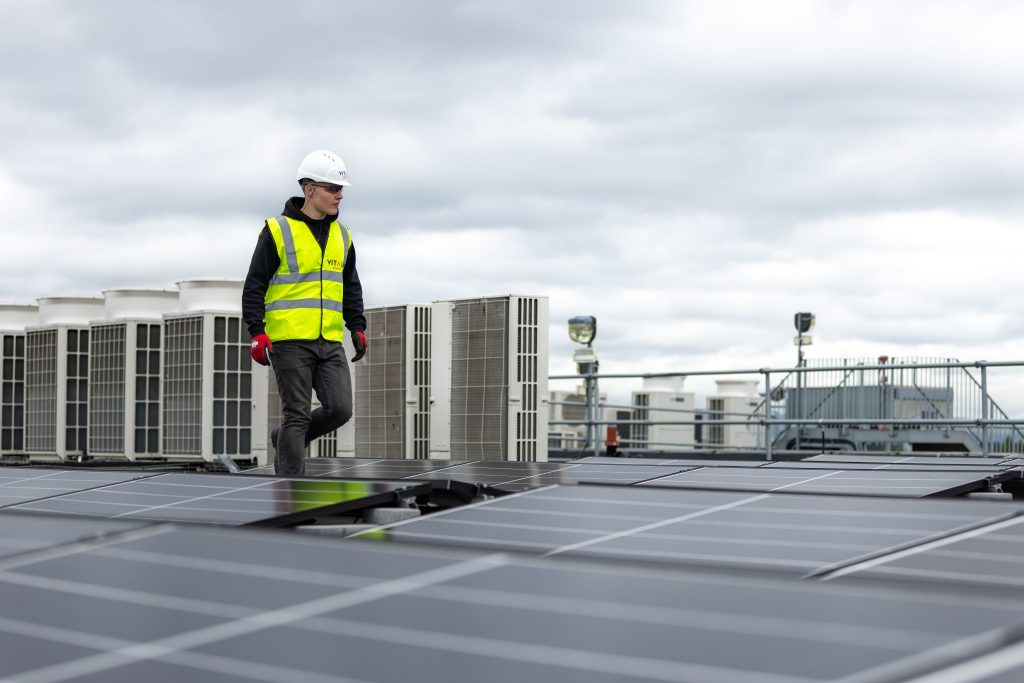
Why Solar Pairing Changes More Than Electricity Bills
There’s another upside people often miss. Pairing an EV with solar doesn’t just cut reliance on grid electricity. It helps households use far more of the renewable energy they’re already making.
Without battery storage, solar panels can produce more electricity than the home needs during the middle of the day. That surplus energy is exported to the grid, while the vehicle is usually parked somewhere else. Later in the evening, when the EV returns home, electricity is purchased again to recharge it.
A battery flips that routine around. It stores the excess solar generation during daylight hours so it can be used when the vehicle is plugged in after work. Instead of relying on power generated elsewhere, the household gets more out of its own renewable energy.
Government Support Makes Solar Pairing More Achievable
Planning an energy upgrade usually starts with one practical question.
What financial support is available?
For eligible Victorian households, the Solar Victoria Solar Panel Rebate provides a rebate of up to $1,400 towards a rooftop solar PV system. Eligible applicants may also access an interest-free loan of the same amount, subject to the program’s requirements. Eligibility depends on factors such as property ownership, household income, property value and installation through an authorised solar retailer.
Battery storage is now supported differently. The Australian Government’s Cheaper Home Batteries Program helps reduce the upfront cost of eligible battery installations connected to solar systems. Support is delivered through the national Small-scale Renewable Energy Scheme, provided the battery and installation satisfy the required technical standards.
For homeowners searching online for a solar battery rebate in Victoria, it’s worth knowing that battery support currently comes through this Australian Government program, while Victoria still supports eligible rooftop solar installs through Solar Victoria.
Planning the Right System Matters More Than Buying the Biggest One
A bigger battery doesn’t automatically mean better results.
The best system is the one built around how the household uses electricity. Families who travel longer distances each day may have different charging requirements from households where the vehicle is only used occasionally. Future plans also matter. Adding another EV, installing electric heating or increasing household electricity demand can all influence the most suitable system size.
That’s why energy assessments look at lifestyle just as much as the tech itself. A properly matched system usually works better than one picked just because it holds more storage.
Cleaner Transport Starts at Home
Electric vehicles have already changed how people think about transport. Solar has changed how households think about electricity, too. Put the two together and they do more than either could alone.
A vehicle charged using renewable energy generated at home reduces operational emissions while making better use of the electricity already produced on the roof. Over time, that cuts household carbon emissions in a real way, without changing everyday routines.
For a lot of Melbourne families, cleaner transport isn’t just about swapping the car anymore. It’s about building a home that backs up cleaner travel every day.
See How Your Home Can Power Tomorrow’s Drive
Switching to an EV pays off even more when the energy it is charging is working just as hard. That’s where Auspro Group helps homeowners put together a setup that matches current and future needs. Their team designs solar power systems households in Melbourne can depend on, while also helping customers understand available government support, including the federal solar power rebate programs and guidance for those searching for a solar battery rebate in Victoria.
Every recommendation is based on how the household uses energy, not a one-size-fits-all system. From rooftop solar to battery storage and future EV charging needs, each setup is planned to get more use out of renewable energy, cut reliance on purchased electricity and help households move towards a lower carbon future with more confidence.